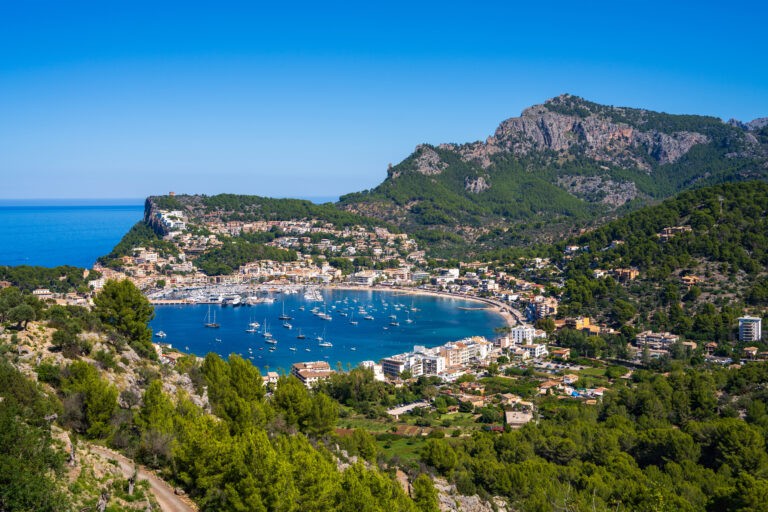
A Polish accent on a Spanish island. Chopin and the most interesting romance of the 19th century
We associate Frédéric Chopin mainly with France, but the composer also had a short episode in Majorca. Together with the writer George Sand, his…
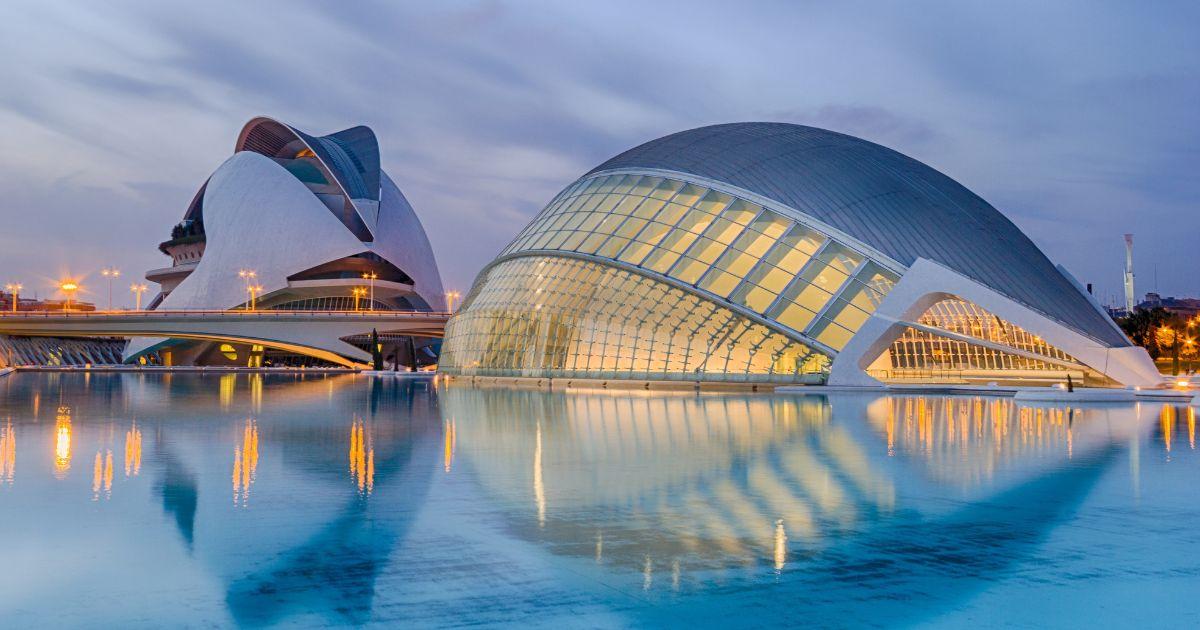
Today, Poles are one of the fastest-growing groups of investors and foreign nationals buying property on Spain’s Costa del Sol. In 2024 and 2025 alone, the statistics for house and flat sales to Poles broke all-time records. However, Polish-Spanish relations and the presence of our compatriots on the Iberian Peninsula are not a phenomenon of just the last few years; it is a history stretching back over 500 years…
What will you read about in this note?
The year is 1491, and a printer known as Stanislaus Polonus is working in Seville. More than three centuries later, during the Napoleonic Wars, the Spanish are fighting for their sovereignty, and they encounter Polish soldiers in Napoleon’s army. At Somosierra, Polish light cavalry broke through the Spanish lines and opened the way for Napoleon’s forces to march on Madrid. Who were the first Poles in Spain, and when did they arrive on the Costa del Sol? How did they end up there? You’ll find out in the article below.
According to the Spanish National Institute of Statistics (Instituto Nacional de Estadística, INE), on 1 January 2025 there were 56,656 people born in Poland living in Spain[1]. The community of Polish origin is spread across many regions of the country, and the Madrid region has remained an important centre of Polish community life for decades.
However, before Spain became one of Poles’ favourite holiday and investment destinations, the presence of our compatriots on the Iberian Peninsula was of a completely different nature.
The first documented presence of Poles in Spain dates back to the late 15th century. During the period of the Polish-Lithuanian Commonwealth (1569–1795), clergymen, travellers and diplomats arrived in Spain. For a long time, the number of Poles remained small. The situation changed significantly in the 1980s, particularly following the imposition of martial law in Poland. For many emigrants, however, Spain was primarily a transit country on their way to the United States, Canada or Australia.
After 1989, the situation began to change. Restrictions on the possibility of settling in the United States and Canada, Spain’s accession to the European Union and the growth of its economy meant that some Poles remained here permanently. At the same time, from the early 1990s onwards, labour migration increased, often initially on a short-term basis. In the years that followed, the nature of migration gradually shifted from transit and short-term departures towards labour migration and lifestyle migration.
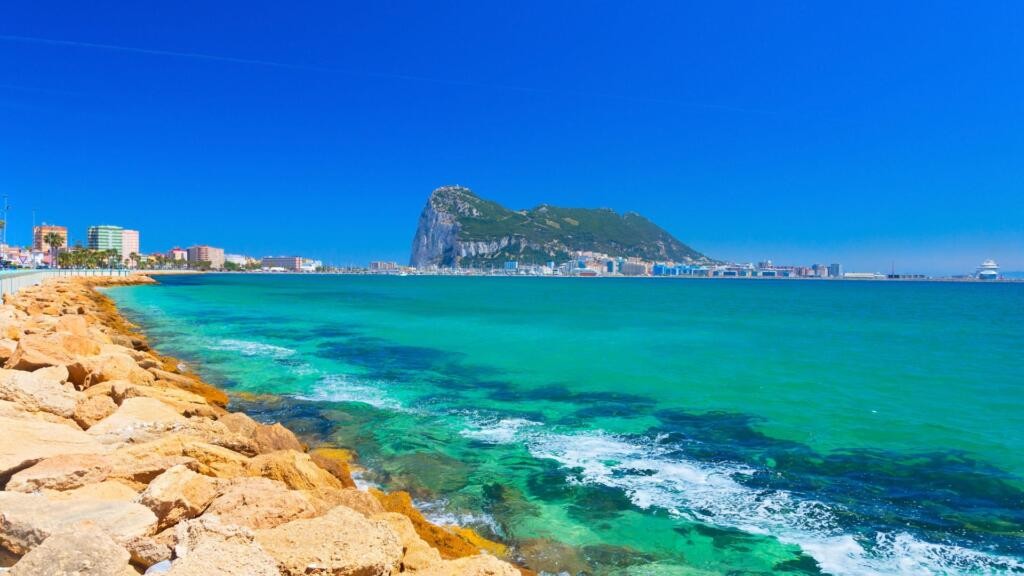
As early as the end of the 15th century, Stanislaus Polonus – a Polish printer – was active in Seville, where he helped establish the city’s important printing workshop. From 1491, he worked alongside the German printer Meinard Ungut; by the time of Ungut’s death in 1499, their printing house had produced around 70 publications[2]. The workshop was initially located on Calle de Génova, and later on Calle Bayona. After a period of independent work in Seville, Stanislaus Polonus, invited by Cardinal Francisco Jiménez de Cisneros, moved to Alcalá de Henares in 1502, where he became the town’s first printer.
Jan Dantyszek, a secretary and diplomat to King Sigismund I the Old, born in Gdańsk, and later a bishop, served as the Polish monarch’s permanent representative at the court of Charles V from 1524 to 1532. He is regarded as the first permanent Polish diplomatic representative of this rank.
Following the Third Partition of Poland in 1795, the Polish state disappeared from the map of Europe. In 1807, following the Treaties of Tilsit, the Duchy of Warsaw was established. Although it had its own institutions and army, it remained politically and militarily dependent on Napoleon. In the Peninsular War, both regiments of the Duchy of Warsaw’s army and Polish units serving in the French army, including the Vistula Legion and the Imperial Guard Light Cavalry Regiment.
Polish units took part in many battles during the Spanish campaign. The light cavalry of the Imperial Guard became famous at Somosierra; regiments of the Vistula Legion fought, amongst other engagements, during the sieges of Zaragoza; and soldiers of the 4th Infantry Regiment of the Duchy of Warsaw, under the command of Captain Franciszek Młokosiewicz, secured a victory in 1810 at Fuengirola (Málaga) against British and Spanish forces many times their number.
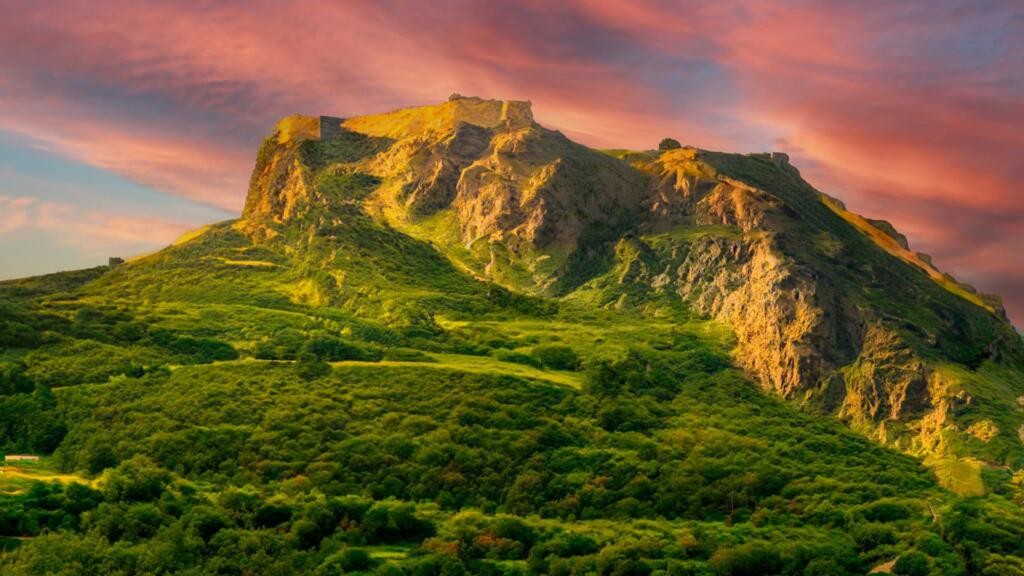
The Battle of Somosierra was, above all, the famous charge by the 3rd Squadron of the 1st Regiment of Light Cavalry of the Imperial Guard against the Spanish positions and artillery batteries defending the pass. The aim of the attack was to break through the defences and open up the shortest route to Madrid for Napoleon’s army.
The charge resulted in the Spanish defences being breached, and the road to Madrid lay wide open before Napoleon’s army. From the Spanish perspective, this was one of the episodes in the war of independence against Napoleonic intervention and occupation.
The second siege of Zaragoza lasted from 20 December 1808 to 20 February 1809 and ended with the city’s surrender. Street fighting, bombardments, famine and epidemics caused enormous losses. Sources estimate that around 54,000 of the city’s inhabitants died as a result of the fighting, disease and starvation.
In Polish memoirs of the Spanish campaign, one can find expressions of sympathy for the Spanish people and soldiers, even though the Polish units remained part of the forces fighting against Spain on Napoleon’s side. After these campaigns came to an end, a small group of Polish participants settled permanently in Spain.
Small Polish units also took part in the First Carlist War, which was fought mainly in northern and north-eastern Spain between the supporters of Isabella II and those of her uncle, Charles of Bourbon (Don Carlos). Some Poles fought on the side of Isabella in the ranks of the French Foreign Legion, with which a detachment of Polish uhlans was also associated.
At the turn of the 19th and 20th centuries, Spain became a destination for Poles, particularly writers, academics and artists. Among them were the philosopher Wincenty Lutosławski, the writers Stanisław Przybyszewski and Tadeusz Peiper, and the ethnographer Eugeniusz Frankowski.
During the interwar period, Poles in Spain formed a small and geographically very scattered community. According to the Spanish census of 1931, there were 182 Polish citizens residing in the country. They were mainly employees of Polish companies and commercial establishments, specialists working for Spanish firms, members of the liberal professions, and their families.
Another significant chapter in the history of the Polish presence in Spain was the Spanish Civil War of 1936–1939. According to research by the historian Jacek Pietrzak, around 4,500–5,000 Poles fought on the Republican side. Most served in the International Brigades – volunteer units fighting on the side of the Republic, organised under the auspices of the Comintern.
Around 75 per cent of Polish volunteers were emigrants, mainly living in France; many of them were activists or supporters of the French Communist Party. A small group of Poles were already in Spain when the war broke out. Among those in Barcelona were Polish participants in the People’s Olympics, organised as an alternative to the 1936 Olympic Games in Berlin; once the fighting began, some of them joined the Republican forces.
The best-known Polish unit was the Jarosław Dąbrowski Battalion, followed by the 13th Jarosław Dąbrowski International Brigade. The vast majority of Poles fought on the Republican side. It is likely that several dozen fought on the Nationalist (Francoist) side; most of them were professional soldiers in the Spanish Foreign Legion, which they had joined before the outbreak of the war.
During the Second World War, Spain remained neutral. Following the fall of France in June 1940, it was through Spain that many refugees from Poland travelled, attempting to reach neutral, but traditionally pro-British, Portugal. It was also the route taken by couriers attempting to reach British Gibraltar. After the Second World War, very few Poles remained in Spain. Among them were, amongst others, former prisoners and internees who, during the war, had been held in Spanish prisons or at the Miranda de Ebro camp. From this group, and from those who arrived after the war, a small but well-organised Polish community began to form.
A significant moment was the arrival of around 150 young Polish students, most of whom were former soldiers of the Polish Armed Forces in the West, who had been awarded scholarships by the Spanish organisation Obra Católica de Asistencia Universitaria. Many left after completing their studies, but those who remained became the backbone of the post-war Polish community.
Following the death of Francisco Franco and the establishment of full diplomatic relations between Spain and the People’s Republic of Poland in 1977, economic, scientific and tourist ties began to develop. In the 1980s, the influx of Poles to Spain increased significantly, particularly following the imposition of martial law in Poland. For many emigrants, however, Spain remained a transit country on their way to the United States, Canada or Australia.
At the turn of the 1980s and 1990s, the situation began to change. The tightening of asylum policies in some Western European countries, restrictions on the possibility of settling in the United States and Canada, and the growing economy following the country’s accession to the EEC in 1986 meant that some Poles remained in Spain. At the same time, from the early 1990s, labour migration increased, often initially on a short-term basis. Over time, more and more people chose Spain as their place of permanent or long-term residence.
In the 21st century, the nature of the Polish presence in Spain has changed completely. We have moved on from the economic and political migration of the 1980s and 1990s to lifestyle and investment migration. Poles no longer come to Spain ‘for work’, but are looking here for a second home, a safe haven and profitable investment opportunities.
The Polish Institute in Madrid estimates that the Polish community in Spain numbered around 120,000 people in 2025.
According to Spanish statistics, Poles are currently one of the fastest-growing groups of property buyers in Andalusia and on the Costa del Sol. Good transport links (an extensive network of flights from Poland to Málaga), remote working and a stable property market mean that a new chapter is now being written in the history of the Polish presence in Spain.
We associate Frédéric Chopin mainly with France, but the composer also had a short episode in Majorca. Together with the writer George Sand, his…

Many heroes leave an indelible mark on the history of their nation. One such remarkable personage was General Władysław Sikorski, a prominent politician and…
The Costa del Sol attracts new residents thanks to, amongst other things, its mild climate, extensive range of services and good transport links. Málaga-Costa del Sol Airport has an extensive network of international flights, including direct routes to several Polish cities. The region also offers a well-developed road and rail infrastructure, as well as a large market for tourism and property-related services.
The influx of Poles to Spain increased significantly following the imposition of martial law in Poland in 1981. Some people left for political reasons and applied for refugee status or asylum in Spain; however, for many, Spain was initially a transit country on their way to the United States, Canada or Australia. It is estimated that by 1989, between 1,000 and 1,500 Poles had left Spain for the US and other overseas countries. Towards the end of the 1980s and in the early 1990s, the situation began to change: some people decided to remain in Spain, whilst at the same time labour migration directly from Poland was on the rise.
[1] National Institute of Statistics (INE), Continuous Population Statistics, population by country of birth – Poland, as at 1 January 2025: https://ine.es/consul/serie.do?d=true&s=ECP8501 [accessed 5 October 2026].
[2] BECLaR/UNED, CICLE project, ‘Polono, Estanislao’ (active 1491–1504): https://www.incunabula.uned.es/cicle.php?accion=verImpresor&id=15&modo=impresores [accessed 5 October 2026].