
The Costa del Sol is one of the safest destinations for investment in luxury property in 2026
It is no coincidence that Marbella has been ranked among the top five most sought-after luxury destinations in the world in the Barnes Global…
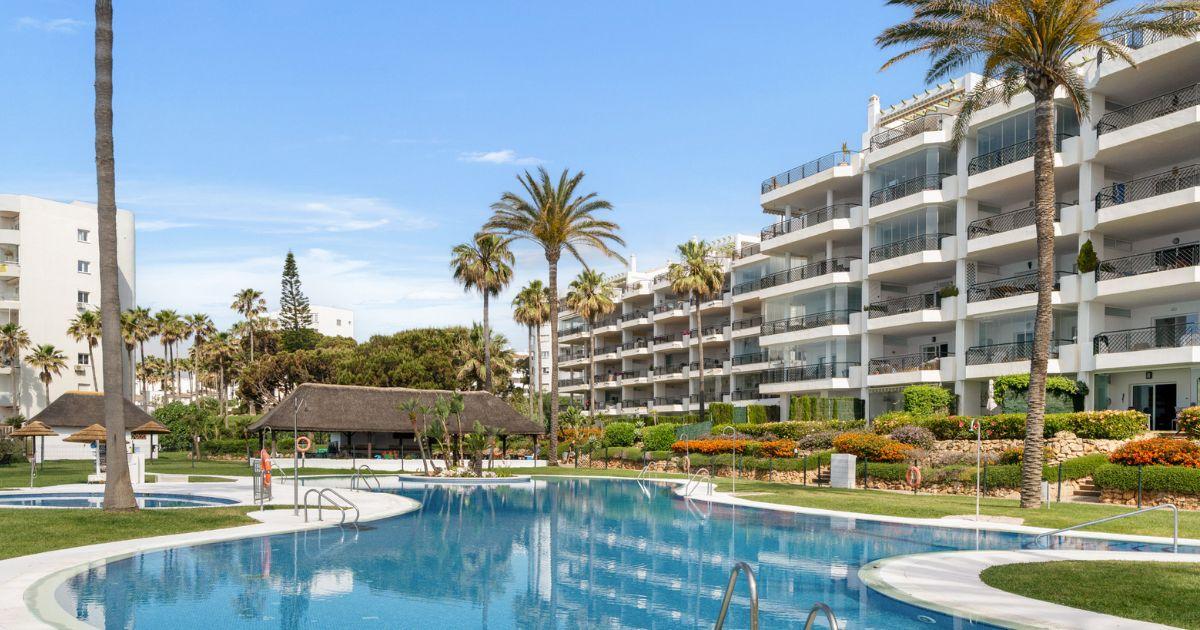
It is not just prices and transaction volumes that are shaping the Spanish property market today. Buyers are becoming more selective, restrictions on short-term lettings are influencing the choice between the primary and secondary markets, and ‘climate pricing’ is now a factor alongside traditional purchase criteria. At the same time, in the province of Málaga, investment in hotels and the ‘living’ sector is growing at a record rate.
What will you read about in this note?
A shift is evident in the Spanish property market that is not reflected in the sales figures alone. Buyers are analysing properties in ever greater detail and taking more time to make a decision.
When buying a property for personal use, both the primary and secondary markets are taken into account. The most important criteria include location, the standard of the property, the view, access to the beach and the ability to make use of well-developed infrastructure all year round.
An even greater degree of caution is evident when it comes to investment purchases. People planning to generate income from property are analysing local regulations, the rules governing their housing association and the possibility of legally letting their property in ever greater detail.
This is a significant change: increasingly, the choice of a particular flat is not determined solely by the prestige of the address, but by a balance between price, rental potential and resale potential.
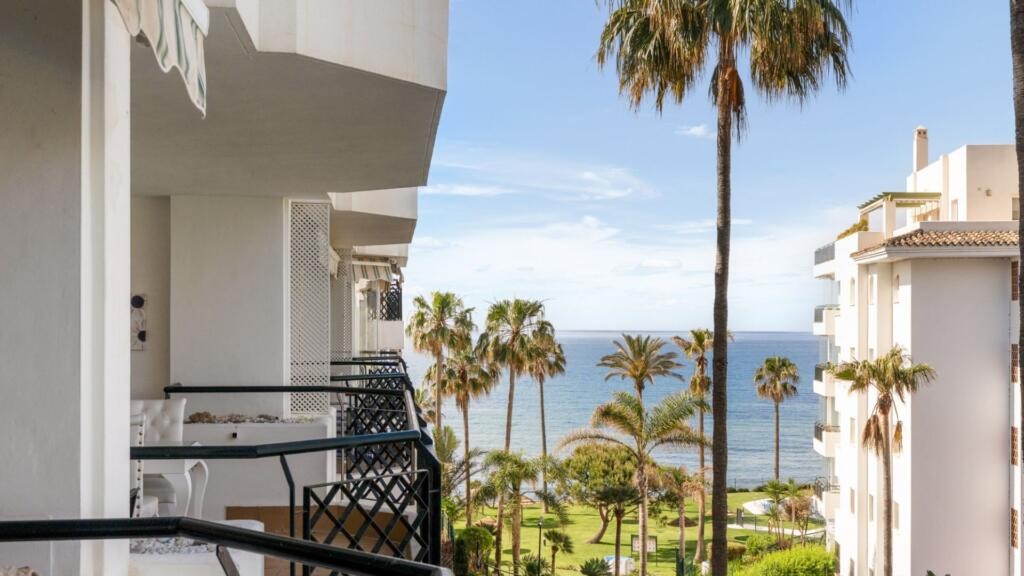
One of the biggest changes affecting investors is the regulations relating to short-term lettings.
The tightening of regulations has dampened interest among some buyers in off-plan properties. This is because, at the time of signing the contract with the developer, the buyer cannot be certain whether, once construction is complete, the property will still be legally permitted to be used for tourist rentals.
Local authorities may impose restrictions on, or ban, such activities in a specific area. In addition, a residents’ association may prohibit short-term lettings by a three-fifths majority of owners’ votes.
As a result, legal certainty regarding the existing property is becoming a more important consideration for some investors.
Changes in the law have a direct impact on the preferences of customers interested in buy-to-let investments.
– Investors are increasingly opting for ‘ready-to-move-in’ properties with a verifiable legal status, or are choosing medium- and long-term lets. (…) “For clients interested in short-term lets, we can currently only recommend properties from the secondary market, subject to a detailed verification of the documentation in each case,” says Agnieszka Marciniak-Kostrzewa.
The secondary market offers the opportunity to check the current status of a property and the applicable rules before making a purchase decision. This is particularly important where the potential to generate income from holiday rentals is one of the key elements of the investment plan.
A medium- or long-term let remains an alternative. However, this model limits the owner’s ability to use the flat and is therefore of particular interest to those who view the purchase primarily as an investment.

At the same time, another very marked change is taking place. A record amount of institutional capital is flowing into the province of Málaga.
According to CBRE data, in the first half of 2026, the value of investment in the hotel and living sector reached €418 million, compared with €132 million a year earlier. This represents an increase of as much as 217 per cent.
The province of Málaga alone accounted for 48 per cent of all such investments in Andalusia, compared with 28 per cent in the same period of the previous year. Hotels attracted the most capital – €232 million – followed by the residential sector – €169 million. Together, they accounted for around 96% of the transaction value.
This shows that interest in property on the Costa del Sol is not limited to individual purchases of flats and villas. The region is also increasingly attracting larger investors seeking opportunities in the tourism sector and the wider housing market.
A new concept is also emerging on the market: ‘climate pricing’. This refers to the growing importance of energy efficiency and the quality of a property’s design in terms of thermal comfort. Buyers are no longer simply considering the distance from the beach, the view or the reputation of a particular location. They are paying increasing attention to the microclimate, sun exposure and the technical standard of the building.
Solutions that help maintain comfort within a property whilst reducing its running costs are becoming increasingly important. This is particularly true of the premium market, where customers expect not only an attractive location and a high standard of finish, but also a high quality of living in the building all year round.
This is further evidence of the market’s maturation: as prices rise, the importance of the product’s quality increases.
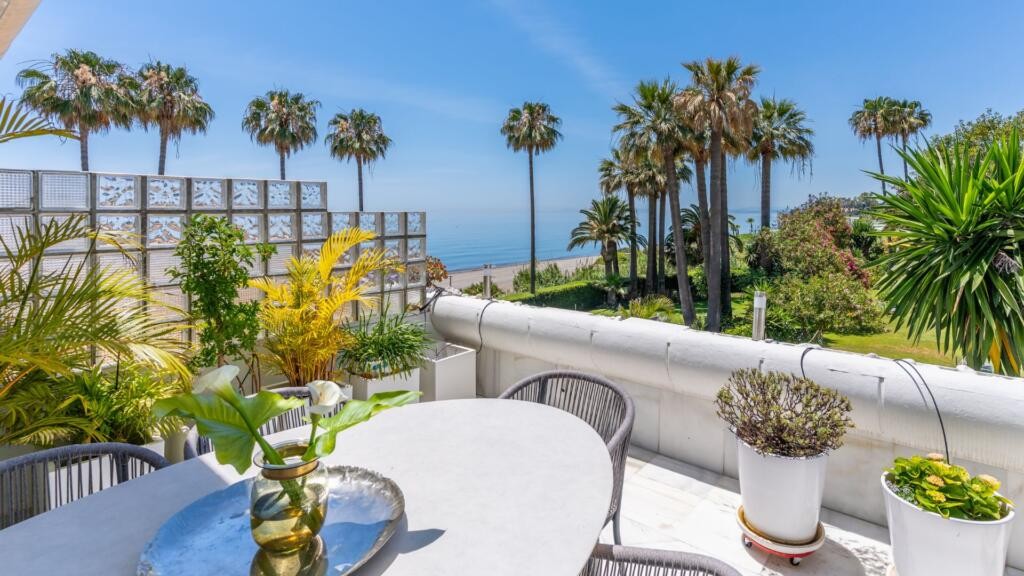
The way people use property on the Costa del Sol is also changing. The region is no longer seen solely as a holiday destination.
Over 320 days of sunshine, mild winters, access to the sea and a well-developed leisure infrastructure make the area ideal for longer stays. The property is increasingly being used as a second home or permanent residence, rather than simply as a holiday flat used for a few weeks a year.
As a result, demand is becoming more year-round. It is no longer just the beach and the tourist season that matter, but also the availability of services, transport links and the infrastructure needed for everyday life.
Air transport remains a further advantage. In 2025, Málaga-Costa del Sol Airport handled a record 26.76 million passengers, and its extensive network of international connections makes the region more accessible to both property owners and tenants.
It is no coincidence that Marbella has been ranked among the top five most sought-after luxury destinations in the world in the Barnes Global…
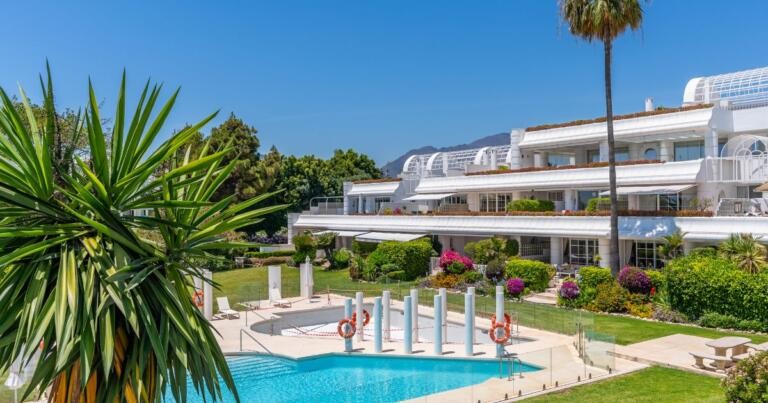
Poles are making an increasingly strong mark on the Spanish property market. In the first half of 2026, they bought 2,269 houses and flats…
This term refers to the recognition of energy-efficient properties that are well designed in terms of indoor climate comfort. Factors such as the microclimate, sunlight exposure and the technical standard of the building are all significant.
It enables you to verify the current legal status of a property and check whether it is possible to let it before purchasing it. In the case of developments still under construction, the regulations may change before the property is ready for occupation.