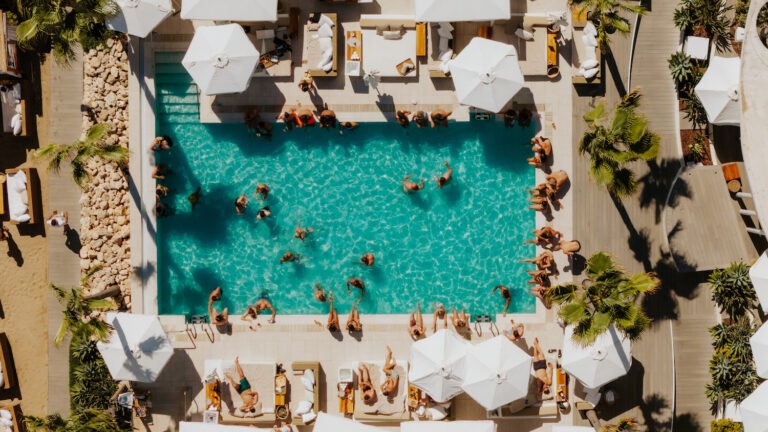
Discover the exclusive Beach Clubs in Marbella
The sandy beaches of Marbella, stretching for over 20 km, are a great place not only for sunbathing and water sports. You can spend…
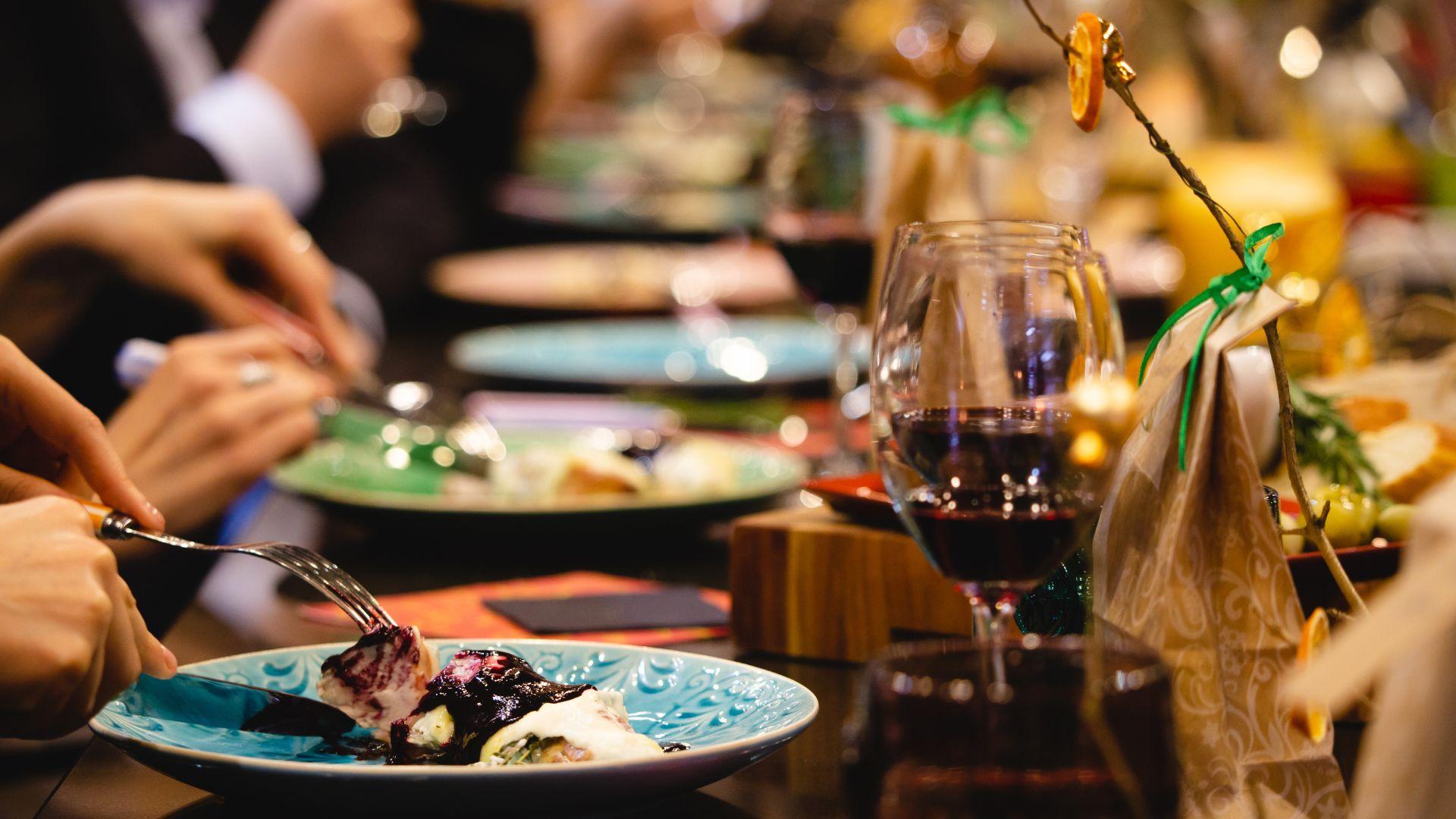
Beautiful weather, a mild climate, sandy beaches and mountainous landscapes combine to create the unique scenery of Málaga, which attracts tourists from all over the world. The growth of the tourism industry, and with it the accommodation sector and the property market, has also contributed to the development of the city’s culinary scene. In 2025, Málaga hosted the Michelin Guide Spain and Andorra 2026 Gala for the first time, during which the restaurants featured in the 2026 edition of the guide were announced.
What will you read about in this note?
Spain is world-renowned for its exquisite cuisine, brimming with colourful vegetables, seafood and meat. The diverse cuisine varies from region to region across Spain.
Andalusia and the Costa del Sol region are distinguished by their blend of Andalusian culinary traditions and modern gastronomy. It is, above all, Mediterranean cuisine, based on seasonal produce such as olive oil, fish, seafood, vegetables, fruit and nuts. Due to the region’s history, Andalusian cuisine shows noticeable Arabic influences, evident, for example, in the use of almonds, certain spices and cooking techniques.
When visiting the province of Málaga, it’s well worth trying one of the local traditional dishes, such as:
On 25 November 2025, Málaga hosted the Michelin Guide Spain and Andorra 2026 Gala for the first time. The event took place at SOHRLIN Andalucía – a performing arts and entertainment venue in Málaga. During the gala, the new Michelin stars and other accolades from the guide’s 2026 edition were announced.
The choice of Málaga as the host city for the gala highlighted the province’s importance on Spain’s culinary map. During the presentation of the event, attention was drawn to the high standard of local cuisine, the diverse culinary offerings, the city’s good transport links and its well-developed accommodation facilities.
The teams from two restaurants in the province of Málaga, each with two Michelin stars – Bardal in Ronda and Skina in Marbella – were responsible for coordinating the menu for the post-gala dinner.
Bardal is run by head chef Benito Gómez. At the Skina restaurant, Mario Cachinero is in charge of the kitchen, whilst Marcos Granda is the restaurant manager. The menu prepared for the gala was intended to showcase the character and diversity of the cuisine of the entire province of Málaga.
Skina
The restaurant is situated at 9 Cánovas del Castillo Street, opposite the Parque de los Enamorados (Lovers’ Park). It has been awarded two stars in the 2026 edition of the Michelin Guide. Head chef Mario Cachinero, originally from Toledo, offers a creative take on classic Andalusian recipes and the region’s flavours.
Nintai
Nintai is a project by the acclaimed sommelier Marcos Grand, inspired by his trip to Japan. The restaurant’s décor features clean lines, large windows, private dining rooms and a 12-seat sushi bar. Guests can watch dishes being prepared in the itamae style, whilst the omakase menu focuses primarily on sushi and alternates between hot and cold dishes. In the 2026 edition of the Michelin Guide, Nintai holds one star.
Messina
The restaurant at 12 Avenida Severo Ochoa is the brainchild of head chef Mauricio Giovanini, supported by his wife, Pía Ninci, who is both a sommelier and head of service. Messina’s cuisine blends European and Latin American influences, with intense, distinctive flavours – created using, amongst other things, juices and essences extracted from the ingredients – forming a key element of the concept. In the 2026 edition of the Michelin Guide, the restaurant holds one star.
BACK
The restaurant is situated at 8 Pablo Casals Street. Chef David Olivas, originally from Úbeda, creates modern cuisine inspired by Andalusia, based on local produce and a contemporary interpretation of traditional flavours. In the 2026 edition of the Michelin Guide, BACK has been awarded one star.
Blossom Restaurant
The restaurant is situated on the 4th floor of the 18th-century neoclassical Palacio de la Aduana, on Plaza de la Aduana. The building currently houses the Museum of Málaga. Head chef Emi Schobert, originally from Buenos Aires, combines contemporary creativity with South American influences, including those from Peru, Mexico and Argentina. In the 2026 edition of the Michelin Guide, Blossom has been awarded one star.
José Carlos García
The restaurant is situated on Plaza de la Capilla, in the Muelle Uno harbour, overlooking luxury yachts. The interior combines a contemporary, industrial style with vertical gardens and a Mediterranean atmosphere. José Carlos García’s cuisine is based on a modern interpretation of the flavours of Málaga and makes extensive use of local produce. In the 2026 edition of the Michelin Guide, the restaurant has been awarded one star.
Kaleja
The restaurant’s name means ‘alley’ in Sephardic and refers to its location in Málaga’s former Jewish quarter, not far from the Picasso Museum, at 9 Marqués de Moya. A distinctive feature of Dani Carnero’s cuisine is cooking over hot coals and the use of long, slow cooking methods known as ‘candle cooking’. The head chef offers a modern interpretation of traditional Andalusian flavours and culinary memories from his childhood. In the 2026 edition of the Michelin Guide, Kaleja holds one star.
Palodú
The restaurant, situated at Sebastián Souvirón 7–9, near the Atarazanas market, is run by Cristina Cánovas and Diego Aguilar. The chefs are developing their own ‘Dual Cuisine’ concept, and their seasonal dishes are featured on tasting menus. Palodú was awarded its first Michelin star in the 2026 edition of the Michelin Guide.
Sollo
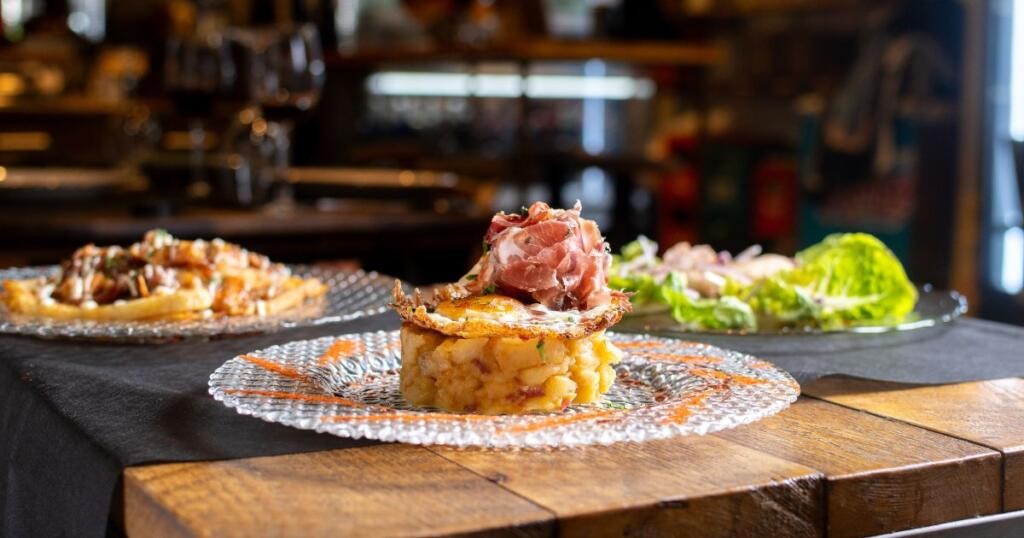
Sollo is situated within the Reserva del Higuerón complex in Fuengirola and stands out for its open-plan kitchen and views of the coast. Head chef Diego Gallegos, known as the ‘caviar chef’, is developing his own aquaponic system that combines freshwater fish farming with plant cultivation. The Caminho tasting menu focuses on sustainable cuisine, freshwater fish and a fusion of Andalusian and South American influences. In the 2026 edition of the Michelin Guide, Sollo holds one star.
The sandy beaches of Marbella, stretching for over 20 km, are a great place not only for sunbathing and water sports. You can spend…
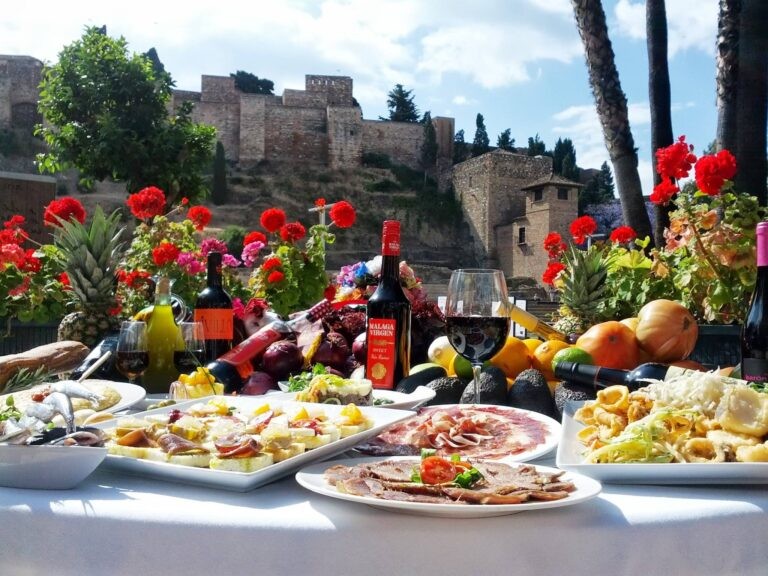
Spaniards are famous for their openness, so it's no surprise that the concept of sharing delicacies rules in their restaurants. Instead of ordering one…
Michelin stars are among the most recognisable accolades in the world of gastronomy. Anonymous inspectors from the Michelin Guide assess restaurants according to five universal criteria: the quality of ingredients, the harmony of flavours, mastery of culinary techniques, the chef’s personality as expressed in the dishes, and the consistency of standards across the entire menu and over time. A restaurant can be awarded between one and three stars: one star indicates high-quality cuisine, two stars signify outstanding cuisine worth a detour, and three stars denote exceptional cuisine worth a special journey.
The history of the Michelin stars dates back to the early 20th century and is linked to the Michelin tyre company. In 1900, brothers André and Édouard Michelin created the first Michelin Guide, which was intended to help motorists travel around France. Initially, the publication mainly contained practical information, including details on accommodation, garages and places to eat. Over time, gastronomy began to play an increasingly important role in the guide. In 1926, restaurants began to be awarded a single star, and in 1931 the system of one to three stars, still in use today, was introduced.