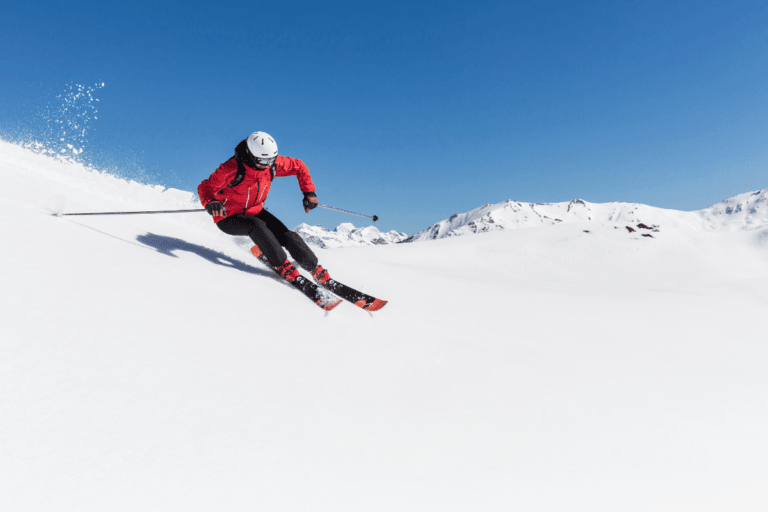
Skiing in the Sierra Nevada as early as November
The ski season in the Sierra Nevada starts as early as November. Beautiful views, perfectly groomed slopes, luxury hotels, excellent restaurants – get ready…
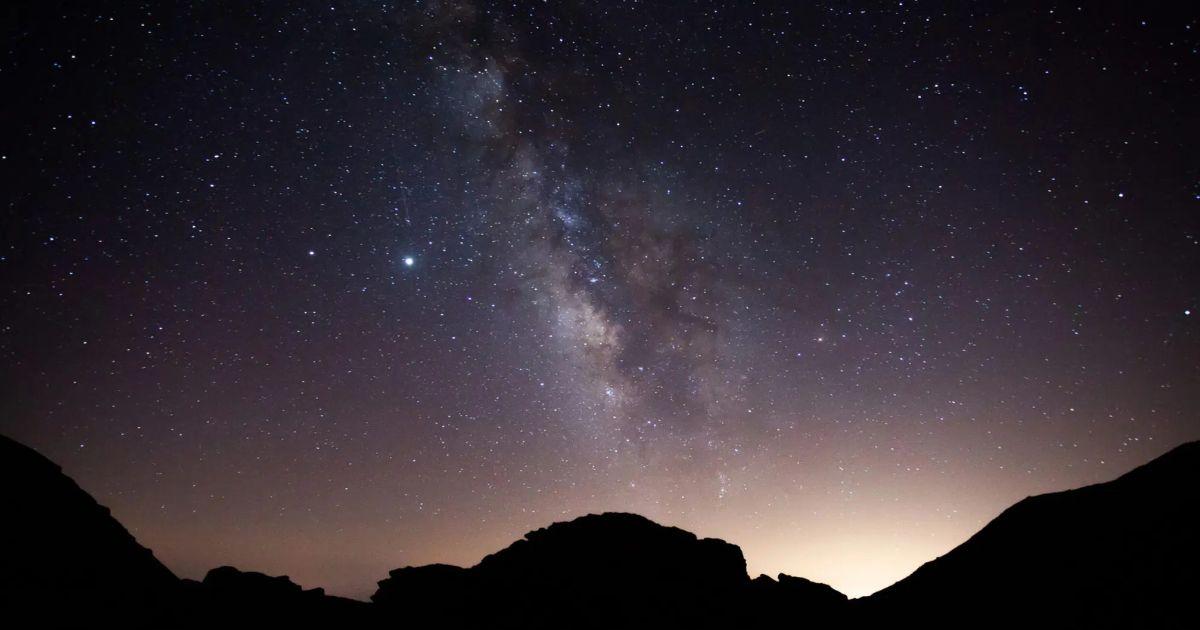
In summer, the Sierra Nevada reveals its other, nocturnal side – when the sun dips below the horizon and darkness envelops the mountain slopes. Anyone who chooses to spend time in the mountains after dark can witness a spectacle set against a starry sky, with planets, stars, meteors and comets as its actors. At an altitude of over 2,500 metres, far from built-up areas and artificial light, you can experience a unique sense of closeness to outer space – what lies above our heads then seems to be within arm’s reach.
What will you read about in this note?
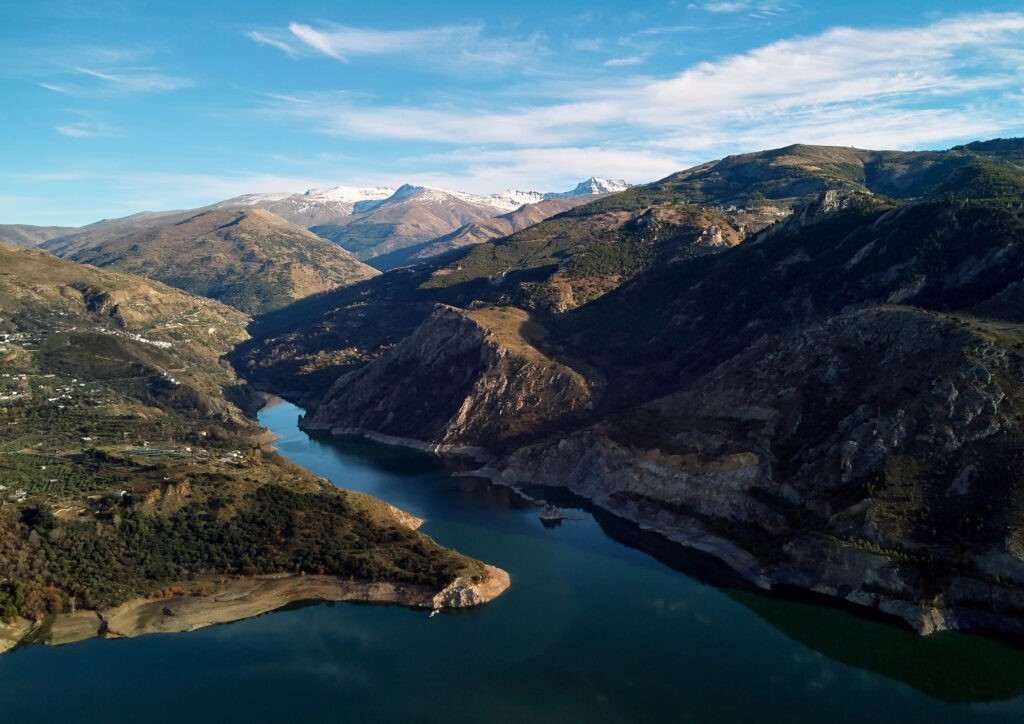
In the heart of the province of Granada, the conditions for astronomical observation are among the best not only in Europe but also in the world. What makes this mountain range in southern Spain ideal for admiring the starry sky is its crystal-clear air, minimal light pollution and impressive altitude above sea level. It is here that one of Europe’s key astronomical observatories is located.
That is why, during the summer season, the Sierra Nevada observatory offers an exceptionally rich programme of activities and events for adults and children, allowing them to discover the beauty of the night sky and gain a better understanding of the mysteries of the Universe.
In July and August, night-time observation sessions led by experienced astronomers take place in the Fuente Alta forest, near Pradollano. Using professional telescopes, participants learn about the main constellations, the visible planets and fascinating facts about the cosmos.
For moon enthusiasts, special nights have been organised dedicated to admiring the Silver Globe. At high magnifications, you can make out craters and details of Earth’s satellite that are invisible to the naked eye. The event is recommended for those aged 8 and over.
Details are available on the website.
An extraordinary off-road excursion to the vicinity of one of the Sierra Nevada’s most famous peaks – Veleta – just before sunrise. Participants can admire the moment when the first rays of daylight illuminate the mountain range. Observation dates: 9 and 16 August.
A similar route can be taken to experience a magical sunset. Observation dates: 11, 18, 25 July; 1, 8, 15, 22 August.
Thanks to special telescopes designed for safe viewing of the Sun, you can see its active regions – sunspots and bright spots on the photosphere. This is a fascinating lesson in astronomy during the star’s ongoing cycle of magnetic activity.
One of the most eagerly awaited events of the year – the meteor shower known as the Perseids – can be observed in the Sierra Nevada on two special nights: 11 and 12 August 2026. Participants will take the Borreguiles Telecabina gondola lift from Pradollano to the high-altitude observation area in Borreguiles. The event will take place from 9.00 pm to 1.45 am; the last cable car ascent is scheduled for 1.15 am, and the last descent for 1.45 am. There are two participation options available: a basic package and a package including interpretative workshops and additional services. Places are limited, so the organiser recommends booking in advance.
The Sierra Nevada Observatory is situated at an altitude of 2,896 metres above sea level and is run by the Andalusian Institute of Astrophysics (IAA-CSIC). It is the highest permanent astronomical facility in Europe. The observatory houses two main telescopes with diameters of 1.5 and 0.9 metres.
A summer visit to the Sierra Nevada is more than just a mountain trip or a trek. It is a unique opportunity to experience the cosmos at its most spectacular. Without having to travel to South America, right here in Andalusia, beneath one of the clearest and most beautiful skies in Europe. Tourists have the chance not only to observe the planets, meteor showers or a sunrise from a mountain peak, but above all to embark on a unique journey towards the stars.
The ski season in the Sierra Nevada starts as early as November. Beautiful views, perfectly groomed slopes, luxury hotels, excellent restaurants – get ready…
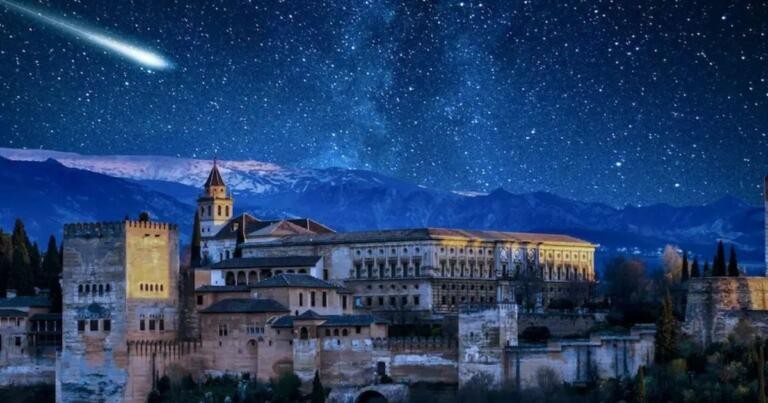
The famous ‘Tears of Saint Lawrence’ will light up the sky again this year. Special stargazing nights in the Sierra Nevada are scheduled for…
Special Perseid viewing nights will take place on 11 and 12 August 2026 in the high-altitude Borreguiles area. The event will run from 9.00 pm to 1.45 am, and participants will reach the site via the Borreguiles cable car. Due to the limited number of places, advance booking is recommended.
Yes. Some of the events have been designed with families and younger astronomy enthusiasts in mind. Night-time stargazing with telescopes in the Fuente Alta forest is recommended for children aged 8 and over. However, before booking, it is worth checking the age requirements and conditions of participation for a specific tour or event.