Poles have bought a record number of properties in Spain. Results for the first half of 2026
Poles are making an increasingly strong mark on the Spanish property market. In the first half of 2026, they bought 2,269 houses and flats…
Property prices in Spain continue to rise at a double-digit rate. In the second quarter of 2026, flats were on average 12.2 per cent more expensive than a year earlier. In Andalusia, a region popular with Poles, the increase stood at 11.9 per cent. However, rising prices are not deterring Polish buyers – in the first half of the year, they purchased 2,269 properties in Spain, nearly 9 per cent more than a year earlier. At the same time, the market structure is changing: second-hand flats are rising in price significantly faster than new ones, whilst regulations on holiday rentals are making it increasingly important to carry out a legal analysis of a property before purchase.
What will you read about in this note?
The latest figures from the Spanish National Institute of Statistics (INE) show that the rise in property prices in Spain remains very marked. In the second quarter of 2026, prices were 12.2 per cent higher than in the same period of 2025, and rose by a further 3.4 per cent in the space of just one quarter.
At the same time, Polish buyers remain one of the most active groups of foreign customers. In the first half of 2026, they bought 2,269 houses and flats in Spain, which is 186 more than a year earlier. This represents a year-on-year increase of almost 9 per cent. In the second quarter alone, Poles accounted for 4.33 per cent of transactions carried out by foreign buyers.
The latest INE figures show an increasingly marked difference between the primary and secondary markets. In the second quarter of 2026, flats on the secondary market rose in price by 12.9 per cent year-on-year, new properties by 7.4 per cent, and the housing market as a whole by 12.2 per cent. On a quarterly basis, prices for flats on the secondary market rose by 3.7 per cent, whilst those for new flats rose by 1 per cent.
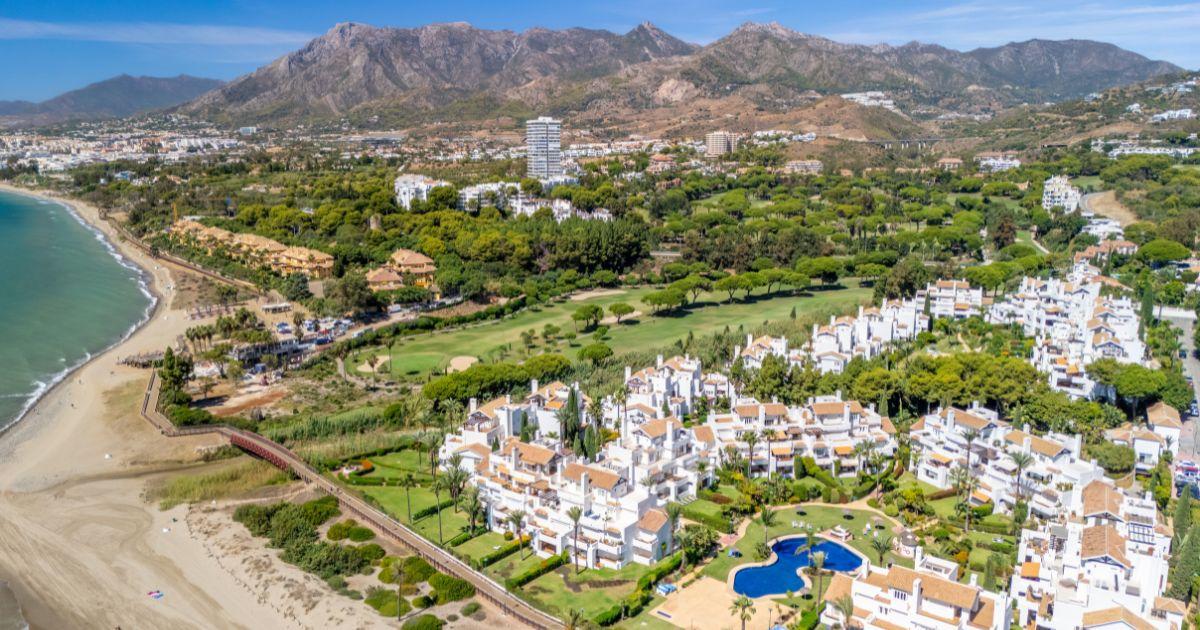
One of the main reasons for the higher growth in the value of second-hand properties is their location. It is on the secondary market that the most prestigious addresses are available – apartments on the seafront, right by the beach, in the centre of Marbella, on the Golden Mile, near Puerto Banús or in other prime neighbourhoods on the Costa del Sol. Such locations are virtually impossible to replicate through new developments due to the limited availability of land. As a result, demand for properties in the best locations remains very high, which translates into faster growth in their value.
This does not mean that interest in new investments has dried up. From the perspective of investment clients, however, the ability to thoroughly check the legal status of a property and its potential future use is becoming increasingly important.
The rise in prices affected all of Spain’s autonomous communities and cities. The highest rates of growth in the second quarter were recorded in Ceuta (15.2 per cent), Asturias (15.0 per cent) and Castile and León (14.8 per cent).
In Andalusia, which includes, amongst other places, the popular tourist destination of the Costa del Sol, house prices were 11.9 per cent higher than a year earlier. By comparison, the increase was 10.1% in Catalonia, 11% in the Canary Islands and 13% in the Valencian Community.
Importantly, the price rises are not limited to the most well-known tourist destinations. The INE has recorded positive price growth in all regions of Spain.
Rising prices are also changing the structure of demand in Poland. Enquiries currently received by Agnes Inversiones are increasingly specifying a purchase budget of between 350,000 and 500,000 euros. This is a segment that, until recently, was less prominent among our clientele.
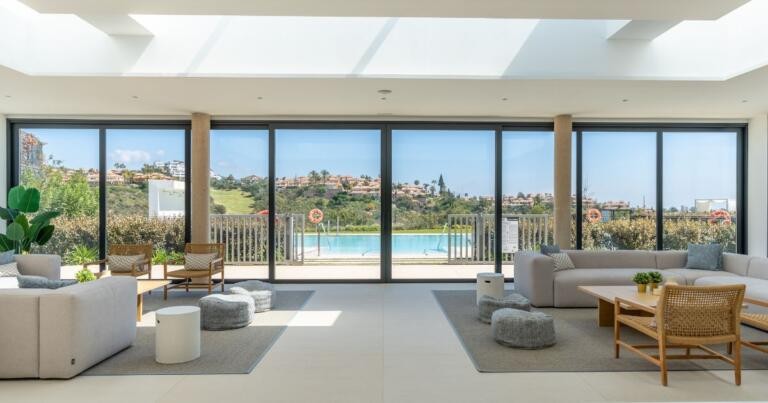
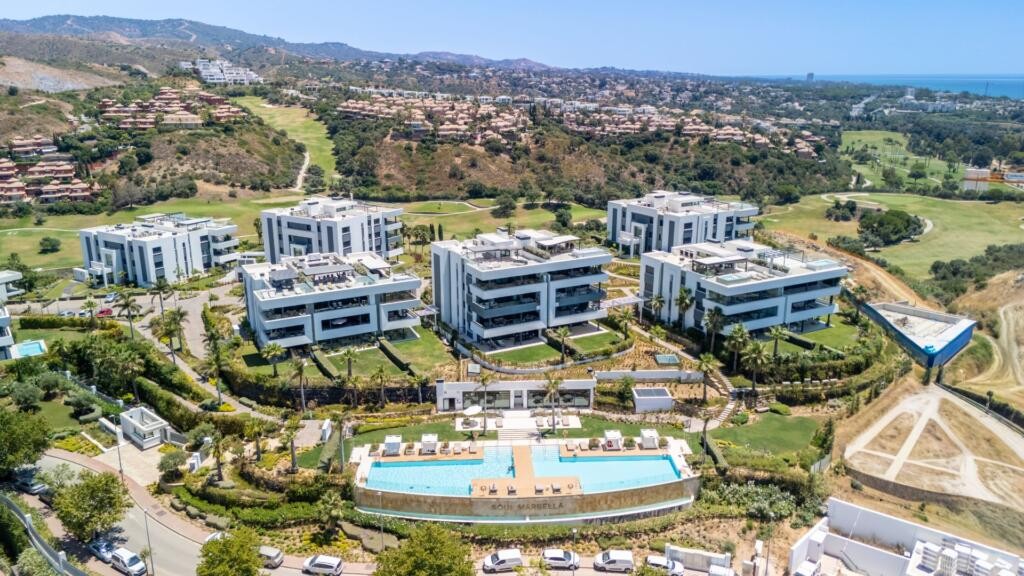
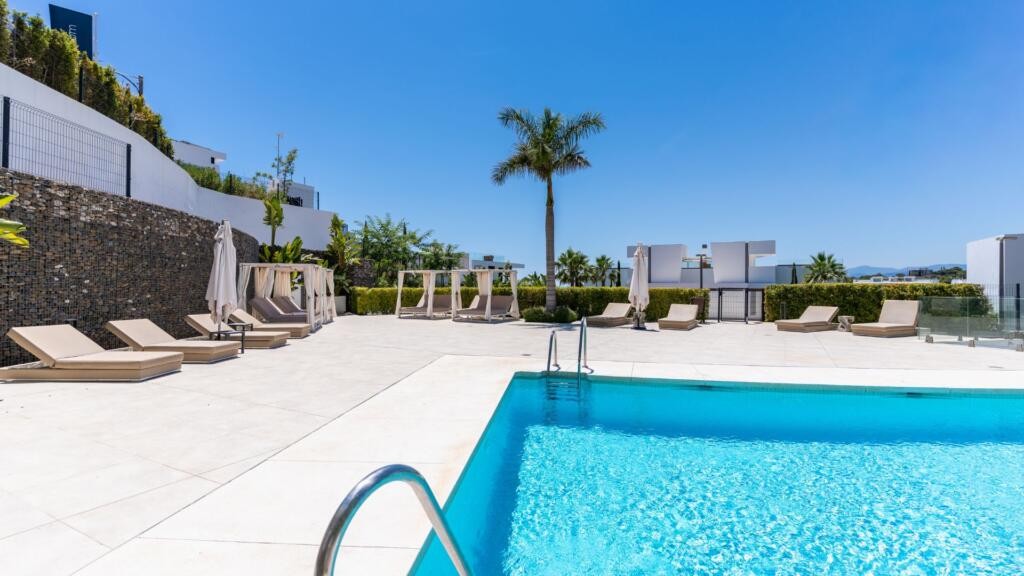
Agnes Inversiones’ observations show that, within this budget, clients are primarily looking for properties with two bedrooms, a terrace and access to a swimming pool, situated in locations with good transport links to the beach and year-round amenities. On the Costa del Sol, a property’s value is largely determined by its location, views, sun exposure and surroundings, rather than solely by its floor area.
Poles are part of a much broader trend. According to the Colegio de Registradores de España, in the second quarter of 2026, foreigners accounted for 15.98 per cent of all flat purchases in Spain. This is the highest proportion in the history of this statistic.
Over the course of three months, overseas customers carried out more than 26,800 transactions. The largest groups were the British, the Dutch and the Germans.
Interestingly, the growing proportion of foreign buyers comes at a time when the market as a whole has seen a fall in the number of transactions. In the second quarter, 167,934 flat sales were recorded in Spain, 5.7 per cent fewer than in the previous quarter and 2.3 per cent fewer than a year earlier.
Buyers’ decisions are also influenced by changes to the regulations governing holiday lettings. From 3 April 2025, an owner wishing to start a holiday letting business in a building governed by a owners’ association must first obtain the association’s express consent. The resolution requires the support of three-fifths of all owners, representing three-fifths of the shares. The situation is different for owners who were already carrying out such activities before the new regulations came into force and who had previously met the requirements set out in the relevant tourism legislation.
This is particularly important in the case of properties purchased whilst still under construction. Between the signing of the contract and the completion of the development, both local regulations and the situation regarding the possibility of operating a holiday let in a particular housing estate may change.
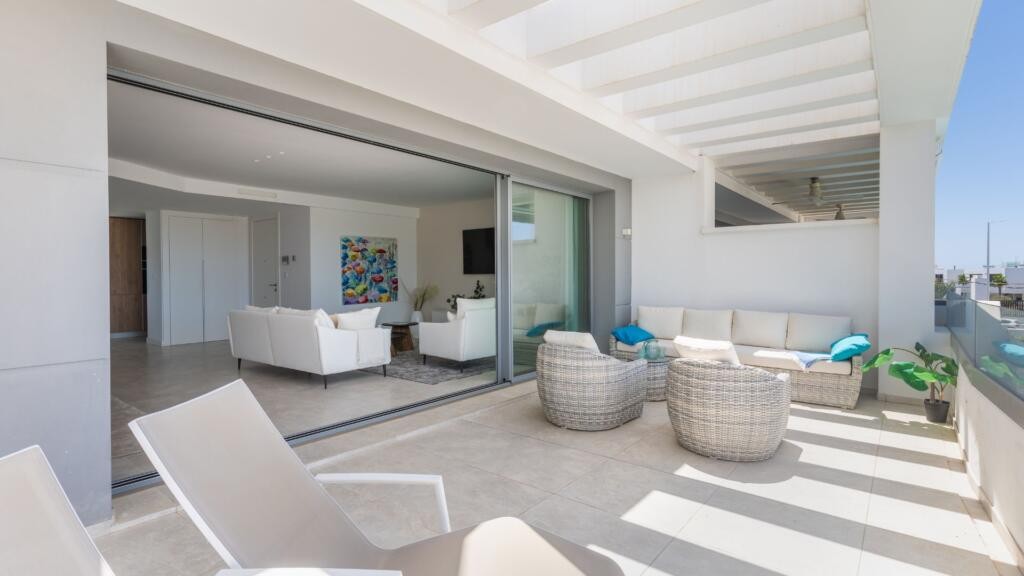
Definitely not. Although property prices on the Costa del Sol have been rising steadily for several years, there are many signs that the market still has solid foundations. In the property market, one rule has applied for years: location, location, location. It is the location that is the single most important factor in determining a property’s long-term value. On the Costa del Sol, and particularly in Marbella, the number of attractively situated plots and properties is limited. It is not possible to build new beachfront flats or expand the most prestigious locations, such as the Golden Mile or Puerto Banús. This limited supply means that the best addresses have enjoyed consistent buyer interest for years.
At the same time, it is worth bearing in mind that Spain is not a single market. Price trends, the structure of supply and the potential uses of property vary between regions, cities and even specific residential developments. Therefore, with price rises exceeding 10 per cent year-on-year, it is not so much the question ‘should I buy in Spain?’ that is becoming increasingly important, but rather ‘what, where and for what purpose should I buy?’.
It is also worth bearing in mind that buying a property on the Costa del Sol is not just an investment decision. It is also about buying into a lifestyle – over 320 days of sunshine a year, a Mediterranean climate, safety, excellent infrastructure, an international community and the opportunity to enjoy your property all year round.
The Costa del Sol, and Marbella in particular, has also demonstrated considerable resilience to changing economic conditions for many years. The market is driven by international demand – when activity amongst one group of overseas buyers declines, they are often replaced by buyers from other countries. As a result, interest in well-located properties remains high.
Of course, any purchase decision should be preceded by an analysis of the specific property – its legal status, rental potential, maintenance costs and resale potential. However, one thing remains constant – the location cannot be changed. That is why choosing a property in a proven and sought-after location is one of the most important factors influencing its long-term value. It is not without reason that a saying has been repeated in the property sector for years: ‘The most expensive property is the one we didn’t buy a few years earlier.’
Source: Instituto Nacional de Estadística (INE), Colegio de Registradores de España, Polish Press Agency (PAP).
Poles are making an increasingly strong mark on the Spanish property market. In the first half of 2026, they bought 2,269 houses and flats…
It is not just prices and transaction volumes that are shaping the Spanish property market today. Buyers are becoming more selective, restrictions on short-term…
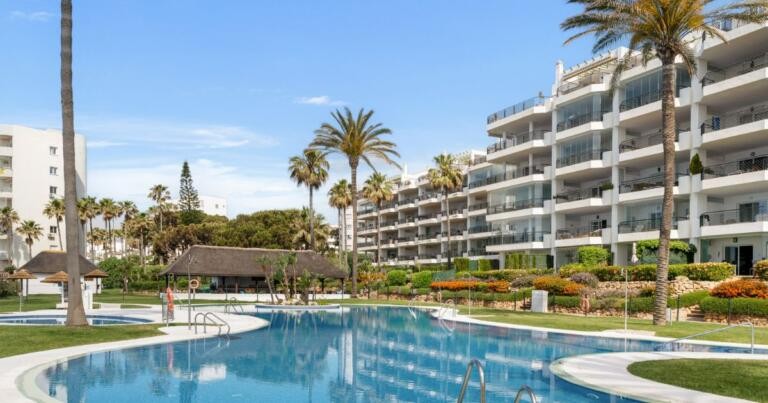
Despite the rise in property prices, the Spanish market continues to attract considerable interest from both local and overseas buyers. The choice of location, the purpose of the purchase and an analysis of the potential of a specific property are of key importance. On the Costa del Sol, properties situated close to the beach and in prestigious locations are particularly sought after.
Secondary market properties are often situated in the most attractive locations – on the seafront, by the beach or in prestigious neighbourhoods such as the Golden Mile or the area around Puerto Banús. The limited supply of such properties means that their value is rising faster than that of new developments
Prices depend on the location, standard and distance from the sea. Among Polish buyers, properties in the 350,000–500,000 euro range are becoming increasingly popular; these are most often two-bedroom flats with a terrace and access to a swimming pool.
Location is one of the most important factors influencing the value of a property. Beachfront flats, those with sea views or those situated in the most prestigious neighbourhoods are a limited resource – it is not possible to create new plots on the seafront, which is why such properties have been in the highest demand for years.
It depends on the buyer’s expectations. New developments offer modern features and high energy efficiency, whilst the secondary market often provides a much better location – close to the beach, in the centre of holiday resorts or in the most prestigious residential areas. This is precisely why property prices on the secondary market have recently been rising faster than those of new flats
Buying property in Spain is not just about choosing the right flat or villa, but also about analysing the location, legal status, rental prospects and investment potential. Agnes Inversiones has specialised in the Costa del Sol property market for many years, offering clients comprehensive support – from finding the right property, through negotiations and working with solicitors, right through to finalising the purchase.
We also provide professional property management and short- and long-term letting services, enabling our clients to safely benefit from their property even when they are living outside Spain on a day-to-day basis. Thanks to our in-depth knowledge of the local market, we help clients make informed, secure and beneficial long-term purchasing decisions.